Hire AI integration developers who work inside your ERP

A senior engineer who joins your standups and ships AI into the ERP, CRM or internal software you already run.

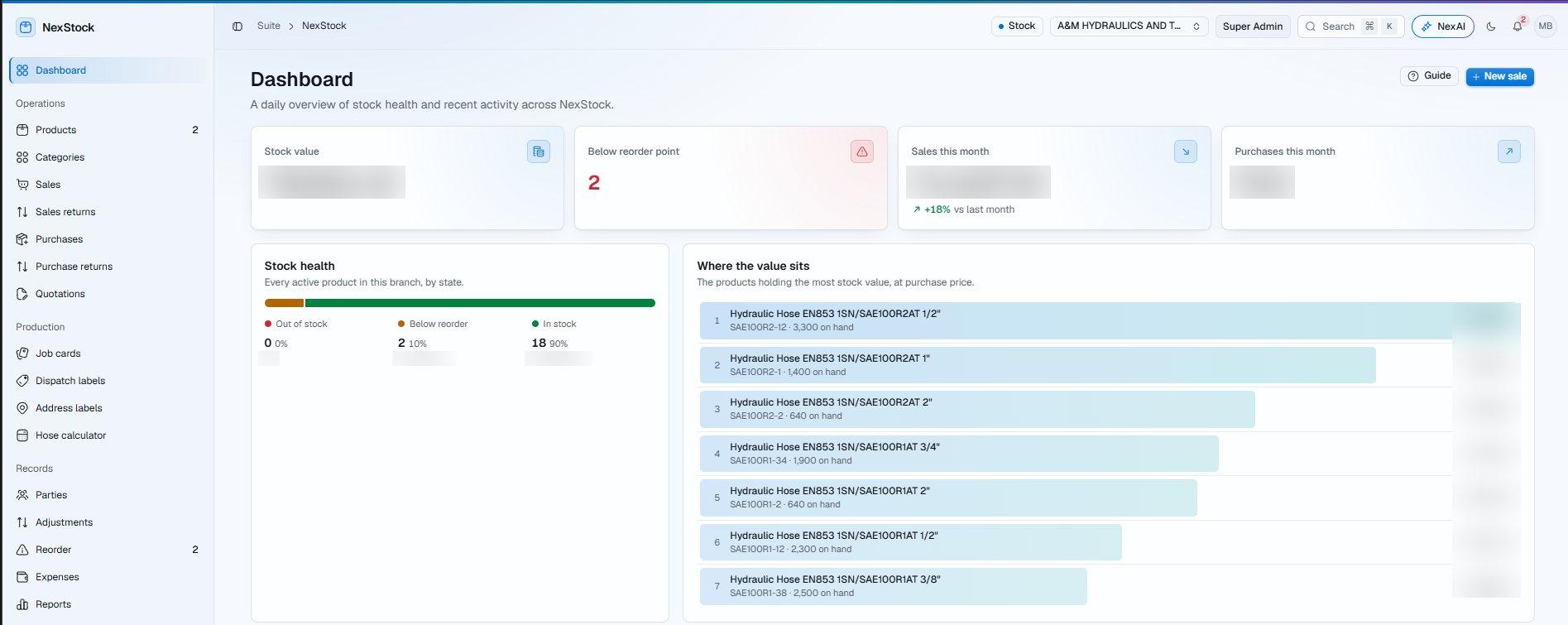
The kind of integration we build, running on sample data.

The hire you need is the hardest one to make

Putting AI inside an ERP or CRM is two jobs at once. Someone has to understand how invoices, stock and approvals move through the system, and someone has to know which model, prompt and guardrail turns a messy PDF into a clean purchase entry. Engineers who do both are rare, and they are rarely looking.

A full-time search runs through sourcing, interviews, a notice period and a ramp-up before the first useful line of code. Then you carry a permanent salary for work that often arrives in bursts. Hiring AI integration developers through us skips the search and keeps the seniority.

Hiring full-time

  1. Write the role and agree a budget
  2. Source candidates who know ERP and AI
  3. Run several rounds of interviews
  4. Wait out the notice period
  5. Onboard, then ramp up on your systems
  6. Start the first integration

Embedding an engineer

  1. A call about your system and the work
  2. A written scope you keep either way
  3. A named engineer in your Slack and your repo

Three steps, and the work starts.

AI integration for ERP systems, CRMs and internal software

Each integration takes something your team handles by hand and turns it into a record your system already understands. The AI reads and drafts. Your ERP stays the source of truth, and a person approves anything that moves money.

  • Document and invoice extraction

    What comes inSupplier invoices, delivery notes and purchase orders, as PDFs, scans or email attachments.

    What lands in your systemDraft entries in your ERP with vendor, lines and tax filled in, matched to the purchase order and waiting for approval.

  • AI agents and workflows

    What comes inAn order arriving, stock dropping below its level, a payment going overdue.

    What lands in your systemThe next step taken: a follow-up drafted, a task assigned to the right person, an approver notified with the context attached.

  • Forecasting

    What comes inYour own sales, stock and purchase history.

    What lands in your systemReorder suggestions and demand estimates on the screens your buyers already use, with the reasoning shown beside the number.

  • Chat over business data

    What comes inA question in plain English, typed into the app or sent on WhatsApp.

    What lands in your systemAn answer drawn from your ledger, orders or CRM, citing the records it used and limited to what that person may see.

  • Automation around the AI

    What comes inThe manual steps around every integration: exports, re-keying, reminders and reports.

    What lands in your systemRoutines that run on their own and report back, the same kind already running in our own products.

Much of the value sits in the plumbing around the model. Our page on business process automation covers the routines that run alongside it.

A dedicated AI integration engineer, or a scoped project

An AI developer on a monthly retainer

For teams with a backlog of AI and ERP work rather than a single job. A senior engineer joins your team and works the way your own engineers do. It is the closest thing to a senior hire, without the search and without the permanent commitment.

  • Joins your Slack or Teams and your standups
  • Works in your repository, through your code review
  • Named before you sign, and the same person stays on the work
  • A monthly review of what shipped and what comes next
Price
TODO(Mohammed): monthly retainer price, and the currencies it is quoted in
Capacity
TODO(Mohammed): what one retainer covers (full-time, or a set number of days a month)
Term
TODO(Mohammed): minimum retainer term and notice period
A scoped AI integration project

For one well-defined job: invoice extraction into your ERP, an assistant over your CRM, a forecasting screen. We write the scope first, agree what done means, build it and leave the code with you.

  • A written scope with an agreed definition of done
  • Built against a staging copy of your data
  • Handed over with documentation, code in your repository
Price
TODO(Mohammed): how scoped projects are priced (fixed fee per scope, or a starting range)

How it works

From the first call to an engineer shipping inside your team.

  1. Talk through the system

    A call about what you run, where the manual work sits and what AI should take on. You speak to an engineer, not a salesperson.

  2. Agree a written scope

    What gets built first, how success is measured and which engagement fits. The plan is yours to keep whether or not you go ahead.

  3. Your engineer joins the team

    Access to your Slack, your repository and a staging copy of the data. Work starts on the first integration, not on a slide deck.

  4. Ship, review, continue

    Each integration goes live behind your approval. Once a month we look at what shipped together and decide what comes next.

Software we built, with AI and automation inside

A client ERP, and products we designed and run ourselves, each product with a case study on the logic inside. We also build Quantura, our AI business management software.

Hire ERP developers who also ship AI

No bench of juniors behind a senior sales call.

We have built ERP, CRM, inventory and billing systems since 2020, and AI now runs inside several of them. The team is small by design, so the engineers on your discovery call are the engineers who build. When you hire ERP developers from us, you get people who already know how a purchase order becomes a payable, and spend their time learning your business rather than the domain.

Where our AI integration developers work with you

Questions about hiring AI integration developers

What does an AI integration developer actually do?

An AI integration developer connects AI models to the systems a business already runs. In practice that means reading documents into ERP records, building agents that take the next step in a workflow, adding forecasts to purchase screens and letting staff ask questions of their own data. The ERP or CRM stays the system of record throughout.

How is an embedded engineer different from hiring a freelancer?

A freelancer usually takes a task and returns a deliverable. An embedded engineer works as part of your team: in your Slack, at your standups, inside your repository and under your code review. You meet the engineer by name before you sign, and the same person stays on the work, so context builds up instead of resetting.

Which ERP and CRM systems can you integrate AI into?

Any system with an API, a database we are permitted to read, or a dependable export. That covers platforms such as NetSuite, Salesforce, QuickBooks, Odoo, Zoho, SAP Business One, Tally and Microsoft Dynamics, as well as ERPs built in-house. If a system has no safe way in, we tell you before any work starts.

How much does it cost to hire an AI integration developer?

It depends on the engagement. The monthly retainer for an embedded engineer: TODO(Mohammed): monthly retainer price, and the currencies it is quoted in. Scoped projects: TODO(Mohammed): how scoped projects are priced (fixed fee per scope, or a starting range). Either way you receive a written scope before you commit, so you know what will be built and what it costs before work begins.

Who owns the code and the AI workflows you build?

You do. Code goes into your repository from the first day, and the system is yours outright once it is delivered. Prompts, workflows and documentation are included. Ongoing support and further work are a choice you make later, never a subscription you need in order to keep the software running.

Is our business data sent to AI providers?

Only with your agreement, and only the fields a task needs. We choose the model provider with you and review its data terms, keep credentials in your own accounts, and design every workflow so a person approves anything that changes money or stock. Where data must stay inside your environment, we plan around that from the start.

Tell us what AI should take off your team's desk

A short note about your system and the manual work is enough. We reply with a written view of what is worth building, and whether a retainer or a project fits.

No cost. Reply within 24 hours. Your details stay confidential.